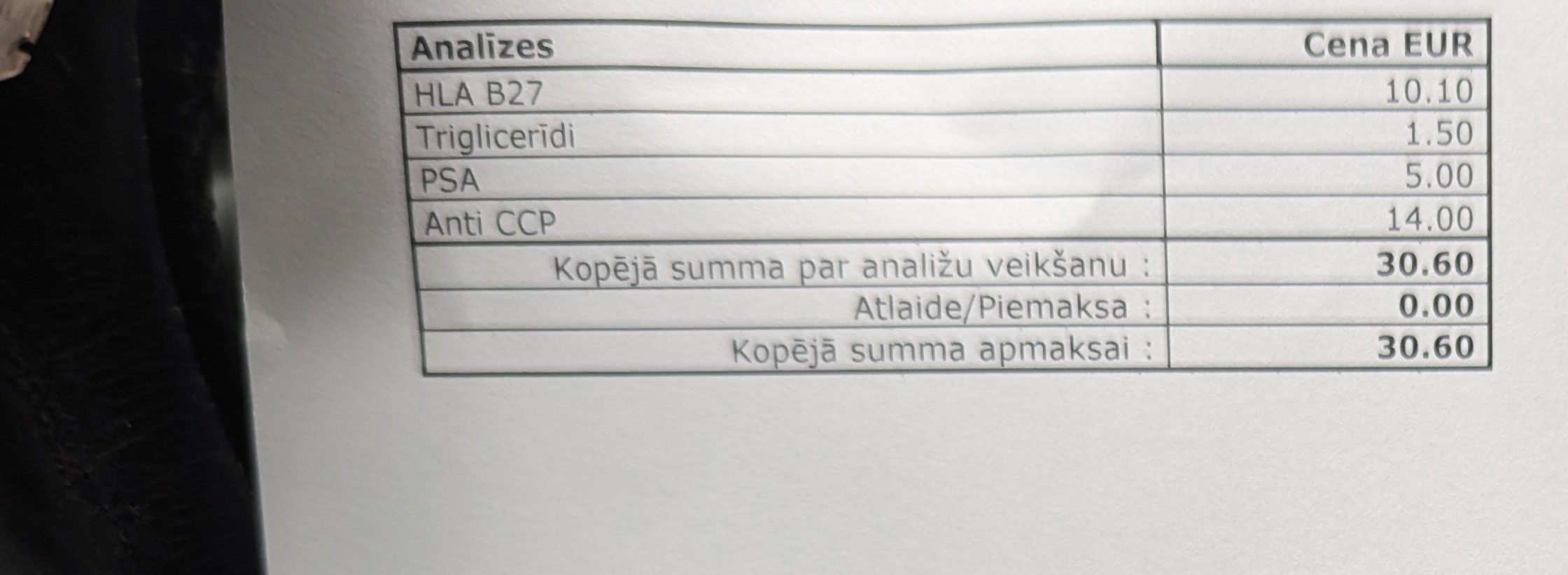
Tieši tāpēc man ir grūti lēst situācijas nopietnību jo nezinu cik “agri” šo atklāju.
Iespējams būs Ctrl+Z mandeles, bet sirdij domāju nebūs operācija nepieciešama, tur vairāk saistība ar skrimšļaudu veselību ķermenī. Pieņemu ka sēdēšu uz uzt. bagātinātājiem tuvu tālā nākotnē.
tas nekas traks nav - cik zinu diez gan comon operācija (tētim ar mandeles izgrieza sen sen, un nekas - dzīvo un vesels). domāju, ka būs labi un moš nemaz beigās nebūs jāgriež laukā.
galvenais saprast, kas tiešām ir par vainu, ko rāda analīzes un tad jau attiecīgi rīkoties!
Man patīk vācu amazons, jo viņiem supplementu devas pietiek 2-6 mēnešiem no viena iepakojuma un ir testēsti uz smagajiem metāliem un citām nevēlamām piedevām. LV aptiekas pilnas ar poļu un citu ražotiem mēsliem, kam nav pat klīniski relevanti attiecīgo vielu daudzumi. Un parasti der tikai vienam mēnesim. Latvijā samaksā vairāk par zemākas kvalitātes produktu.
Slinkums meklēt konkrētus avotus, bet šis chatgpt summary ir korekts. Vietējā mēness aptiekā neviens neko nezināja par kolagēna peptīdiem un rekomendēja parasto, bija pašam jāstudē un jāmeklē. Vietējiem ārstiem nav saprašanas ne par moderniem pētījumiem, ne arī korektām uztura bagātinātāju formām. Piemēram, D3 visiem vajadzētu supplementēt, bet svarīgi ir D3+K2, jo D3 veicina kalcija uzsūkšanos, bet K2 nodrošina to, ka kalcijs aiziet uz kauliem, locītavām, utt, nevis artērijām, kas var novest pie palielināta sirds slimību riska.
Tas pats ar kalciju, supplementēt vajag tikai tad, ja trūkst. Ja supplementē pa visu pietiekamam kalcija daudzumam, tad var nonākt pie kalcija plāksnēm artērijās, kas ir slikti.
Collagen Peptides vs. Collagen: Bioavailability and Benefits
1. Overview of Collagen and Collagen Peptides
Collagen: Collagen is the most abundant protein in the human body, forming a key component of connective tissues like skin, tendons, ligaments, and bones. It provides structural support and plays a crucial role in skin elasticity, joint health, and overall tissue strength.
Collagen Peptides: Collagen peptides are short chains of amino acids derived from collagen. They are created through the hydrolysis process, where collagen is broken down into smaller, more easily absorbed particles.
2. Bioavailability
Collagen:
Whole collagen molecules are too large to be effectively absorbed through the digestive system.
They are generally broken down into smaller components (such as gelatin or amino acids) during digestion before they can be utilized by the body.
Collagen Peptides:
Collagen peptides, due to their smaller size, are more readily absorbed in the small intestine.
Research suggests that collagen peptides have higher bioavailability compared to whole collagen, as they enter the bloodstream more efficiently.
Studies indicate that collagen peptides can be detected in the bloodstream as soon as 1-2 hours after ingestion, making them more effective for targeting specific tissues like skin, joints, and bones.
3. Research on Benefits
Skin Health:
Collagen Peptides: Numerous studies have shown that collagen peptides improve skin elasticity, hydration, and reduce the appearance of wrinkles. For example, a study published in the Journal of Cosmetic Dermatology found that daily supplementation with collagen peptides significantly improved skin elasticity and moisture levels in women.
Collagen: While collagen itself is beneficial, its direct impact on skin health is limited due to its lower bioavailability.
Joint Health:
Collagen Peptides: Research has demonstrated that collagen peptides can reduce joint pain and improve joint function in individuals with osteoarthritis and athletes. A study in the Journal of the International Society of Sports Nutrition reported that athletes who took collagen peptides experienced reduced joint pain compared to a placebo group.
Collagen: Whole collagen may provide some benefits, but peptides are more effective due to their ability to be absorbed and utilized by the body more efficiently.
Bone Health:
Collagen Peptides: Collagen peptides have been shown to support bone density and strength. A study published in Nutrients indicated that daily intake of collagen peptides can help increase bone mineral density, particularly in postmenopausal women.
Collagen: Again, while whole collagen can support bone health, the peptides’ superior bioavailability makes them a more potent option.
Muscle Mass:
Collagen Peptides: Some studies suggest that collagen peptides can aid in the maintenance of muscle mass, particularly when combined with resistance training. A study in the British Journal of Nutrition found that older men who consumed collagen peptides and engaged in resistance training had greater gains in muscle mass compared to those who only did the training.
Collagen: Less effective in muscle synthesis due to its lower absorption rate.
4. Conclusion
Collagen peptides have significantly higher bioavailability compared to whole collagen, making them more effective for health benefits such as improved skin elasticity, joint pain reduction, bone health, and muscle mass maintenance.
The scientific evidence strongly supports the use of collagen peptides over collagen in supplement form, particularly for targeting specific health outcomes.
Summary: For enhanced bioavailability and targeted health benefits, collagen peptides are superior to whole collagen, as supported by extensive research in areas like skin health, joint function, bone strength, and muscle mass maintenance.
TL;DR: Parastais kolagēns ir scam. Vajag peptīdus.
Huh, pat nezināju par strong versiju. Praktiski sanāca lietot tīri izdevíbas pēc, jo kad sāku regulāri dotieas 5km skrējienos iegāju aptiekā palūkot kādu kolagēna produktu lai pilnībā neiznīcinātu savus ceļus. Tur viņš stāvēja par puscenu un tieši tāpéc arī lietoju. Nekā sarežģītāka vai zinātniski pamatota par to.
TIL kolagēna peptīdi arī tiek saukti par hidrolizētu kolagēnu. Bet nu mēģinu izcelt to, ka aptiekas bieži vien marketē un pārdod klīniski nerelevantus uztura bagātinātājus. Man arī aizdoma, ka aptiekām ir potenciāli abpusēji izdevīgi līgumi ar konkrētiem ražotājiem un meitenes rekomendē produktus, kas ir labāki aptiekai, nevis tev. Bet pierādījumu man nav bez tā, ka liela daļa produktu, ko esmu pircis daudzus gadus, ir metami miskastē.
Clinical Relevance: Typically, collagen supplementation for joint health is effective at doses of 5-10 grams (5000-10000 mg) per day. The 500 mg dose provided here is significantly lower than what is generally considered effective, and it’s unlikely to provide substantial benefits at this dosage.
Clinical Relevance: The effective dosage for chondroitin sulfate is generally 800-1200 mg per day for joint health. The 500 mg provided here is on the lower end, which may not be fully effective on its own but could still contribute to joint health when combined with other ingredients.
Clinical Relevance: Glucosamine sulfate is typically effective at doses of 1500 mg per day. The 250 mg provided here is well below the recommended dosage, and its effectiveness at this low dose is questionable.
Hialuronskābe (Hyaluronic Acid) – 25 mg
Clinical Relevance: For joint health, hyaluronic acid is typically dosed between 80-240 mg per day. The 25 mg in this supplement is significantly lower than the typical effective dose, which may limit its benefits.
C VITAMĪNS (Vitamin C) – 80 mg
Clinical Relevance: The RDI for vitamin C is about 75-90 mg per day. The 80 mg provided here meets the RDI and is sufficient to support normal collagen formation and joint health.
D VITAMĪNS (Vitamin D) – 5 μg (200 IU)
Clinical Relevance: The RDI for vitamin D is about 600-800 IU (15-20 μg) per day, depending on age and other factors. The 5 μg (200 IU) provided here is below the RDI, and while it contributes to daily vitamin D intake, it may not be sufficient for optimal bone and muscle health, particularly in individuals with a deficiency.
Conclusion:
This supplement provides several key ingredients for joint health, but many of them are at lower doses than those typically recommended in clinical studies:
Hydrolyzed Collagen: 500 mg is much lower than the 5-10 grams typically recommended.
Chondroitin Sulfate: 500 mg is below the optimal range of 800-1200 mg.
Glucosamine Sulfate: 250 mg is far below the standard 1500 mg dose.
Hyaluronic Acid: 25 mg is also lower than the typical 80-240 mg dose.
The vitamin C dosage is adequate, but the vitamin D dosage is on the lower side, which may not be fully effective for bone and muscle support.
Overall, while this supplement may provide some benefits, particularly if taken alongside other sources of these nutrients, the lower dosages of several key ingredients suggest that it may not be as effective as higher-dosed formulations for supporting joint health.
Aizvakar bijām ar laivu uz Ķīšezera, apdegu, nu ok, esmu no tā sarkana, vakar bijām uz Jūrmalu, iesmērēju ar losjonu visu izņemot pēdas, tās apdega, tagad sāp
kārtējā pirmdiena, kad man neko negribas darīt darbā.
es neteiktu, ka esmu uz izdegšanas robežas, jo visādi citādi man ir luste visu ko citu darīt, izņemot darba lietas. reāli laikam beigusies motivācija strādāt. kādam tā arī ir?
nē nu es saprotu, ka ja gribas pelnīt, jāstrādā un ja negribas pelnīt - nestrādā.
man ir, ka gribu pelnīt, bet negribu strādāt ;D
Gandrīz regulāri. Man nav bijusi diena kad uz darbu eju priecīgs ar labu noskaņojumu. Bet nu tas ir pasaules uztveres jautājums, jo es uzskatu ka darbs ir vnk daļa dzīves kas jāpacieš, lai varētu atļauties dzīvi ārpus darba. Izdaru kas jādara bez liekas tiepšanās, ievēroju darba vietas tradīcijas, bet neko vairāk
Man arī tipiskā pirmdiena, pusdienās tiku tikai 2 stundas vēlāk.
Par negribēšanu/nespēju: reizēm ir kāds darbiņš kuru neceļās rokas paveikt, bet ārpus tā visam aiziet autopilots, visas izjūtas ieskaitot badu tiek noliktas otrajà plānā un aiziet pienākumu izpildes režīms.